Change management
Most transformations are not resisted. They are quietly not adopted.
Most transformations are not resisted. They are quietly not adopted.
Change programs that move leadership, structure, and culture together, so the plan survives contact with the organization.

WHERE THIS USUALLY STARTS
The situations we recognize on the first call.
01
Your transformation was announced, not adopted.
02
Your team nods in the kickoff and reverts to the old process by Thursday.
03
Your operating model was redesigned on paper and never embedded in the daily work.
04
You have a change plan and no one owns the milestones.
The story
A change management consulting firm that ships the recommendation.

A plan remains a plan until every stakeholder commits to it. We work the three levels together: corporate strategy across lines of business, business strategy against competitors, functional strategy inside each department. The failure statistics are blunt: half of businesses fail in year one, four in five within five years. The survivors are the ones that changed how they decide, not just what they decided.
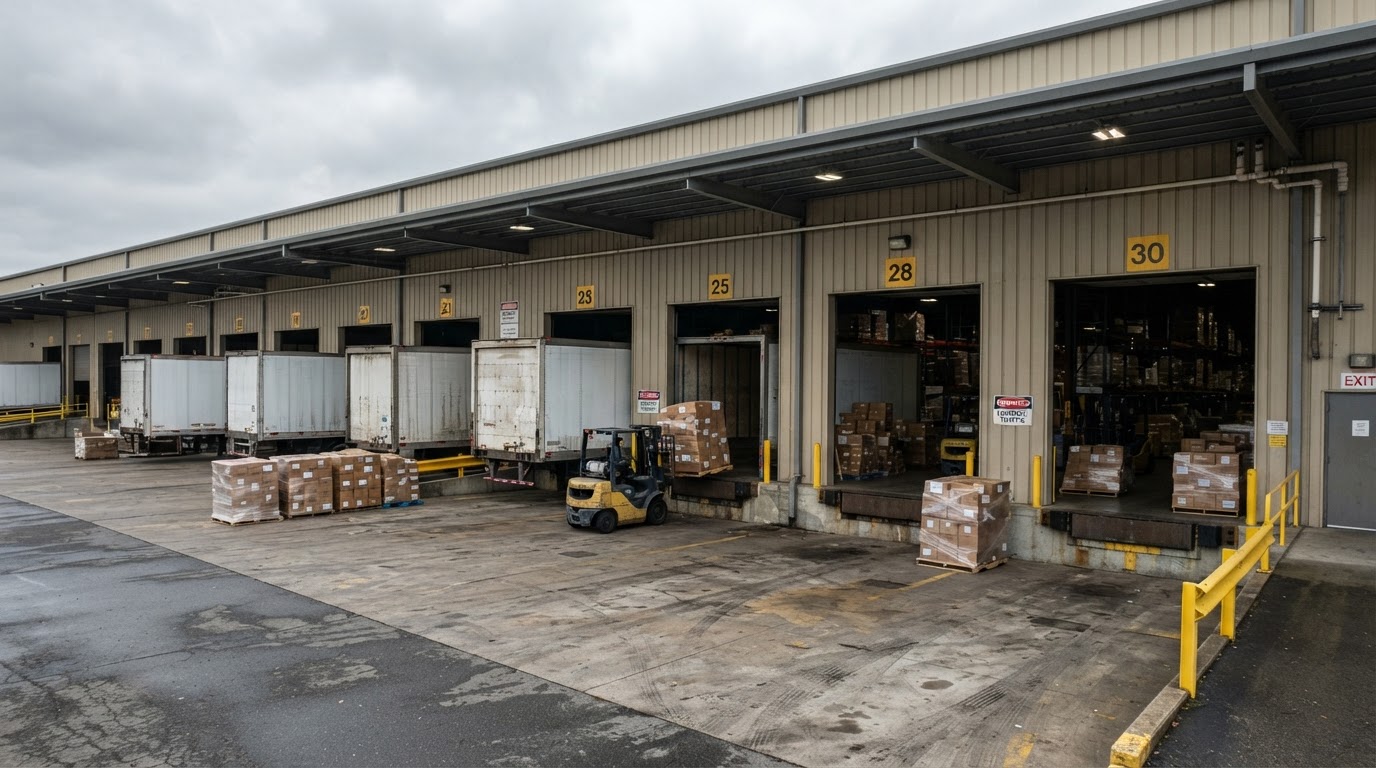
The Stanley Black & Decker EMEA transition is the standard. Distribution transitioned across 14 countries in a seven-month window, with 100% of distributors and existing retailers transitioned, and five distribution centers closed in favor of in-country distribution networks. The transition held because the training held, and the training held because our methodology was followed. This is what operating model transformation looks like when it is done end to end.
The engagement
What the work involves
Change management means we move leadership, structure and culture together, so the plan survives contact with the organization. We work the three levels at once: corporate strategy across lines of business, business strategy against competitors, and functional strategy inside each department. A plan remains a plan until every stakeholder commits to it, so we make trade offs visible, name owners, and bind each workstream to a review date.
How the work runs
We begin by mapping the decisions at each seam where value leaks, then install the execution operating system: vision alignment, timeline planning, ideation chunking, action mapping, progress tracking and reflection and growth. In steady state, adoption stops being a campaign and becomes a habit, because the people inside the change can see the decision and who owns it. The execution operating system is what holds the change after the consultants leave.
What changes when it is working
Decisions get made at the right level. The plan survives contact with the organisation. And the leadership team stops relitigating the same decision every quarter, because the trade offs are visible and the owners are named.
FAQ
Questions before you sign
We move leadership, structure and culture together. A plan remains a plan until every stakeholder commits to it, so we work the three levels at once: corporate strategy across lines of business, business strategy against competitors, and functional strategy inside each department.
We make trade offs visible, name owners, and bind each workstream to a review date. Adoption stops being a campaign and becomes a habit when the people inside the change can see the decision and who owns it.
The execution operating system is what holds it. Vision alignment, timeline planning, ideation chunking, action mapping, progress tracking and reflection become the way the organisation runs, not a set of slides we leave behind.
Decisions get made at the right level. The plan survives contact with the organisation. And the leadership team stops relitigating the same decision every quarter.
A decision under uncertainty
Stanley Black & Decker had to transition distribution across 14 EMEA countries in seven months without losing a single retailer. The trade-off was between speed and adoption, move fast and risk the distributors not following, or move slowly and carry the cost of dual infrastructure. GLOWINT chose speed with training: every distributor was visited, every retailer was briefed, and the transition held because the people on the ground understood the change before it happened to them.
WHERE THIS GOES NEXT
Where this usually starts.
A two-week diagnostic, on site, with your internal and external stakeholders. You get a written view of where the constraint actually sits, what it would take to move it, and whether we are the right firm to help. If we are not, we will say so.
Start a conversation