Capability 1/4
Strategy & Transformation
Expand Confidently, Operate Efficiently.
Operating models fail at the seams, not at the centre.

WHERE THIS USUALLY STARTS
Six situations we recognize on the first call.
Common friction points where domestic growth stalls or international execution falters.
Your operating model was designed for a market you no longer compete in.
An acquisition gave you a footprint you do not know how to operate.
Your strategy deck says one thing. Your org chart says another.
You have a growth target and no path to it that the organisation believes.
Sub-offerings
The components of this practice.
Each sub-offering runs as a defined engagement with its own scope, sequence and evidence.
Business strategy
Where to compete and in what order, decided against the constraint that actually binds.
Operating models
The structure, decision rights and reporting that let a strategy survive contact with the field.
M&A
Commercial diligence and post deal integration, judged on whether the combined business can sell.
Entrepreneur innovation
Founder led growth pushed through a structure that can carry it beyond the founder.
Stakeholder success
Aligning boards, partners and distributors around one definition of the number.
Change management
Adoption is the deliverable. We work with the people who have to run the new way.
LATAM and EMEA expansion
Sequenced entry into Latin America and the EMEA markets, with our own people on the ground.
Localization
Product, pricing and packaging adapted to the market that has to buy it, not translated.
GLOWINT Science
Our market entry consulting work is the most visible part of this practice, but the core is our methodology , Understand, Analyze, Implement. When the strategy demands organizational change, we run change management as an embedded discipline, not a deliverable.
The engagement
Methodology & Operating Execution
Structured delivery model built on 20+ years of operational field execution across global markets.
What the work involves
A strategy and transformation engagement begins with the constraint that actually binds the business, not the constraint that looks largest on a slide. We define the problem and the desired outcome in one sentence each, establish the facts, scope, stakeholders and constraints, and decide what evidence is needed before any decision is made. The work spans business strategy, operating models, M&A, change management and cross border expansion, but it is held together by a single method that refuses to separate analysis from execution.
How the work runs
The first weeks build the business case, the regulatory and homologation picture by market, and the competitor view. We then set the go to market structure, the organisation and sales force design, and the financial model. An independent expert review precedes execution, so the plan is pressure tested before resources move. In steady state, the same team that built the strategy runs the early execution, because the decisions that matter most are made in the first ninety days of operating in a new market.
What changes when it is working
The client stops buying market entry as a project and starts operating it as a function. The country manager holds a forecast that holds, the distributor operates under reporting obligations, and leadership can widen or pull back from a market on evidence rather than instinct. The operating model, not the deck, becomes the asset.
GLOWINT Science
GLOWINT Science
One method sets direction. The other creates traction. Together they hold a transformation together when conditions change.
Explore the method
Lead engagement proof
A market-entry programme, built end to end
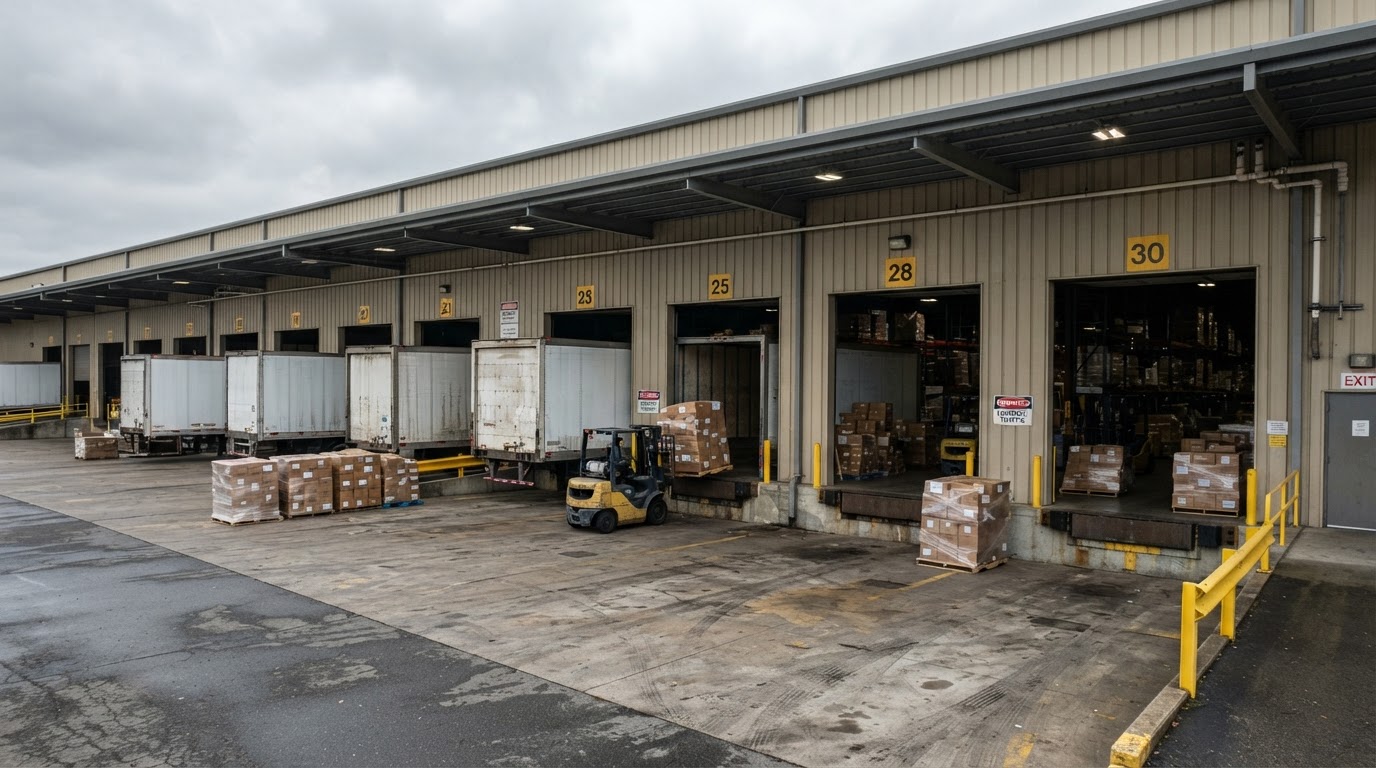
For a global tools and equipment manufacturer entering Latin America, GLOWINT built the full entry programme across eight markets: Mexico, Brazil, Argentina, Colombia, Chile, Peru, Ecuador, and Central America and the Caribbean. The work included the business case, a regulatory and homologation analysis by market, a competitor study, the go-to-market strategy, the organisation and sales-force design, and the financial model. The programme was then put through an independent expert review before execution.
Global tools and equipment manufacturer
FAQ
Questions before you sign
We build strategy around the constraint that actually binds, which is usually the order of the steps and who takes the call in market, not the analysis. The recommendation is tested against the network we already hold, so it survives contact with the buyer.
The first weeks establish the business case, the regulatory and homologation picture by market, and the competitor view. We then set the go to market structure, the organisation and sales force design, and the financial model. An independent expert review precedes execution, so the plan is pressure tested before a dollar moves.
We stay. The same team that builds the strategy runs the early execution, because the decisions that matter most are made in the first ninety days of operating in a new market. A plan handed to a team that did not build it tends to drift.
You stop buying market entry as a project and start operating it as a function. The country manager has a forecast that holds, the distributor has reporting obligations, and leadership can see whether to widen or pull back from a market on evidence rather than instinct.
We treat the integration as an operating model problem first and a systems problem second. The seams between the acquired footprint and the parent are where value leaks, so we map the decisions at each seam before we map the org chart.
A global tools and equipment manufacturer had to enter Latin America across eight markets at once or cede the region to a competitor.A decision under uncertainty
The trade-off was speed against precision. GLOWINT built the full entry programme, business case, regulatory and homologation analysis, competitor study, go-to-market strategy, organisation design, financial model, and then put it through an independent expert review before a single hire was made. The choice was to spend two months on analysis and one on review, rather than six months on execution and twelve on correction. The programme is in market today.
WHERE THIS GOES NEXT
Where this usually starts.
A two-week diagnostic, on site, with your internal and external stakeholders. You get a written view of where the constraint actually sits, what it would take to move it, and whether we are the right firm to help. If we are not, we will say so.
Start a conversation