
INSIGHTS
Perspectives for the C-suite.
A perspective that cannot survive contact with the market is an opinion, not an insight.

WHERE THIS USUALLY STARTS
Six situations we recognize on the first call.
Common friction points where domestic growth stalls or international execution falters.
Your perspectives are opinions that have not survived contact with the market.
Your thought leadership is written for peers, not for the board that has to act on it.
Your arguments cannot be tested because they are not bounded by evidence.
Your published point of view changes with the trend, not with the data.



A client asked for a market-entry strategy and expected a slide.A decision under uncertainty
The constraint was that the strategy would fail on contact with the market unless the sequencing was right. The trade-off was between publishing the perspective as a polished deck or as a written argument that a board could test. GLOWINT chose the argument. The perspective that survives a board's disagreement is the one worth publishing.
WHERE THIS GOES NEXT
Where this usually starts.
A two-week diagnostic, on site, with your internal and external stakeholders. You get a written view of where the constraint actually sits, what it would take to move it, and whether we are the right firm to help. If we are not, we will say so.
Start a conversationFAQ
Questions before you sign
Perspectives on international expansion, distribution strategy and operating-model change for the C-suite, drawn from field work across 83 countries.
Yes. Each piece reflects the operational reality of how a distribution network moves product, how a retail shelf gets set, and how a sourcing corridor holds when conditions change.
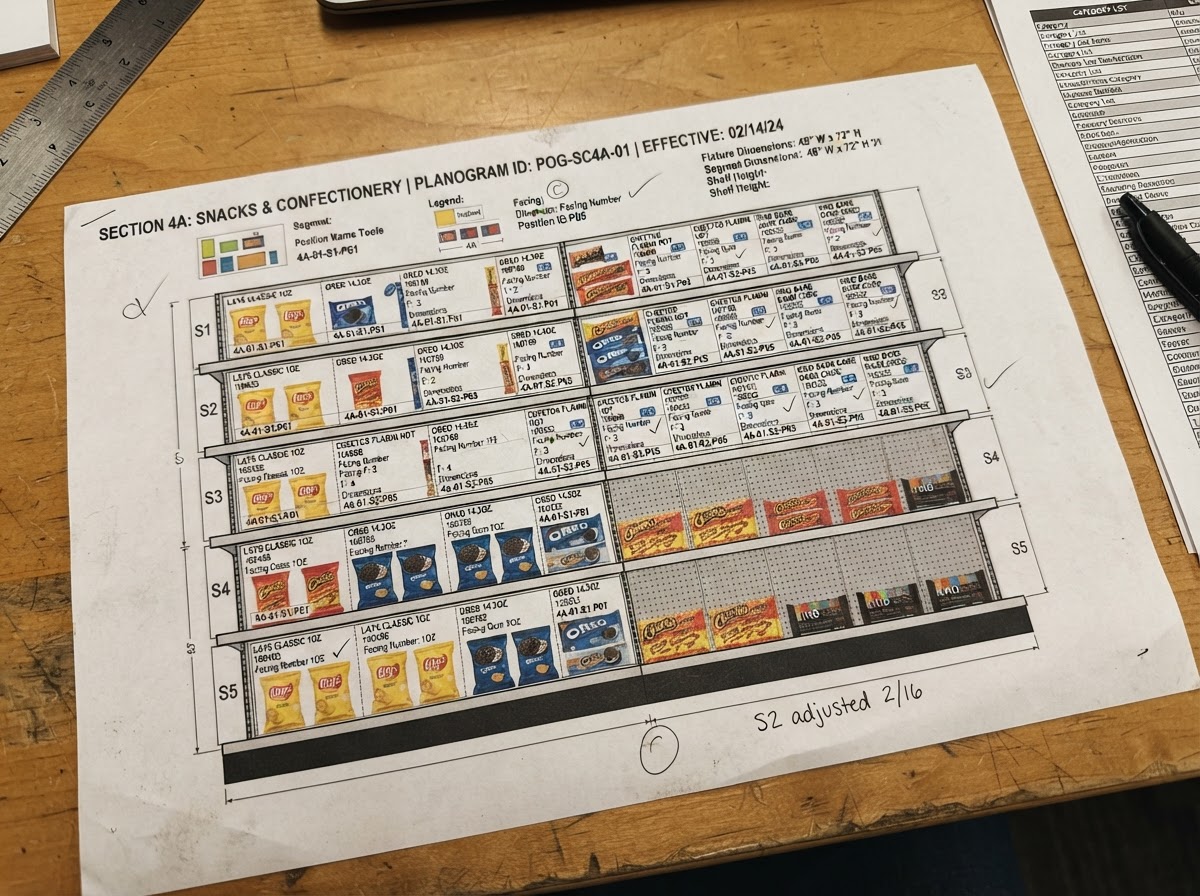
Industrial distribution, the automotive aftermarket, planograms and shelf planning, and nearshoring for manufacturers, among others tied to the four practices.
Each insight links to the relevant capability page and to related work, so a perspective connects directly to the practice behind it.