
SERVICES / INTERNATIONAL EXPANSION
International business consulting
Most expansion strategies fail on introductions, not on analysis.

WHERE THIS USUALLY STARTS
The situations we recognize on the first call.
01
You have a product that sells at home and no way into the next market.
02
Your distributor in-country is a black box. No visibility, no forecast, no accountability.
03
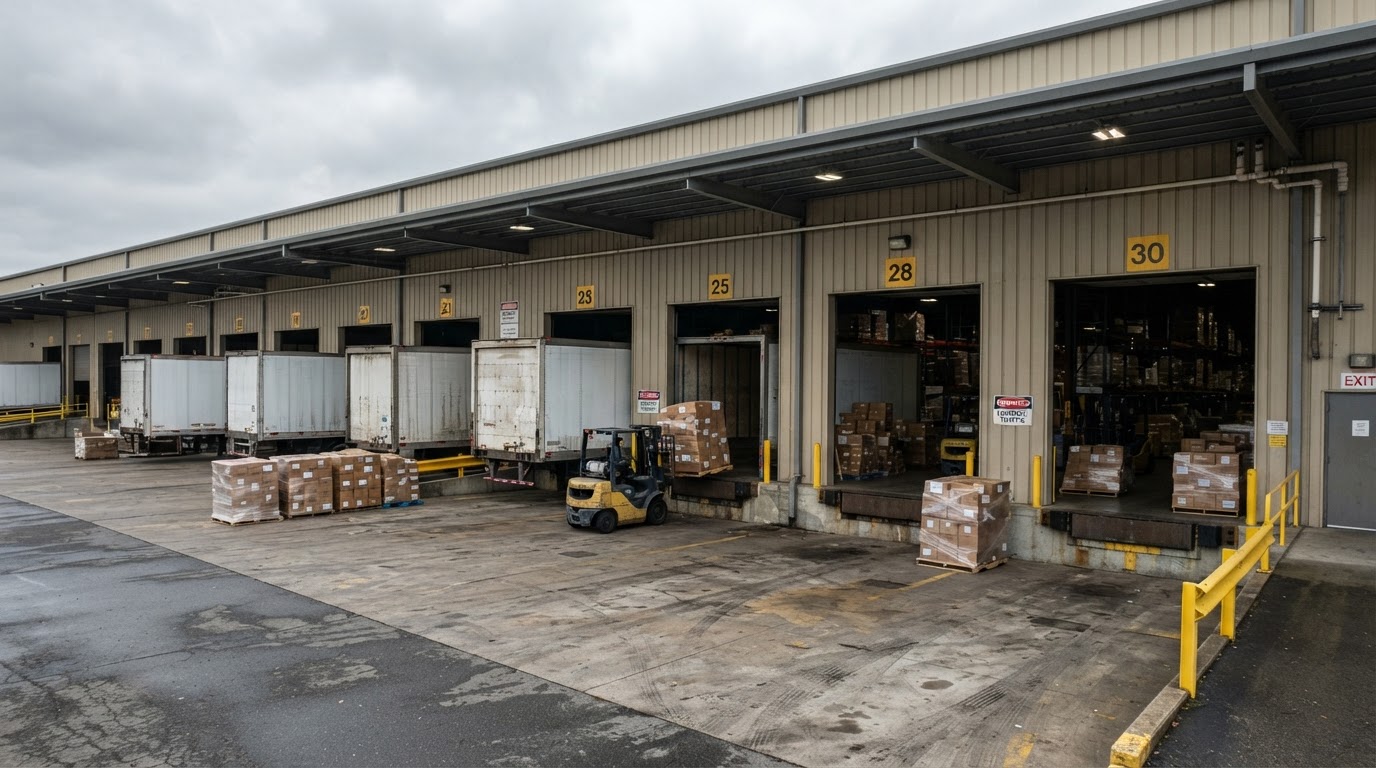
You won the listing and cannot service it. No logistics, no local support, no training.
04
Your expansion strategy is thorough on paper and fails on contact with reality.
International business consulting is the practice of helping manufacturers enter and operate in markets outside their home country. It covers market entry strategy, cross-border expansion, distributor selection, regulatory compliance, and the operational infrastructure required to hold a presence in a new market. GLOWINT has been doing this work for twenty years across 83 countries.
Market entry strategy consulting is not about writing a plan. It is about knowing the buyer. Most firms will deliver a market-entry strategy that looks thorough on paper and fails on contact with reality, because the strategy is built on assumption rather than relationship. GLOWINT holds the manufacturer representation relationships, the retail buyer introductions, and the OEM factory-fit qualification that a manufacturer needs to reach shelf in a market it has never sold into. The strategy is the easy part. The introduction is the asset.
Cross-border expansion fails for predictable reasons. The distributor in-country is a black box with no visibility, no forecast, and no accountability. The listing is won but cannot be serviced, no logistics, no local support, no training. The category commoditizes and price becomes the only lever. An acquisition gives the manufacturer a footprint it does not know how to operate. These are the situations GLOWINT is built to solve , whether the entry is into the automotive aftermarket or a nearshoring to Latin America decision.
International expansion consulting at GLOWINT follows a method we call GLOWINT Science: Understand the problem and the desired outcome, Analyze the facts and generate options before judging them, and Implement through an action map with owner, timeline, resources, and review date. The method is not theoretical. It was built through decades of market-entry work across our partner network across 83 countries in Latin America, EMEA, and Asia-Pacific.
For a global tools and equipment manufacturer entering Latin America, GLOWINT built the full entry programme across eight markets: Mexico, Brazil, Argentina, Colombia, Chile, Peru, Ecuador, and Central America and the Caribbean. The work included the business case, a regulatory and homologation analysis by market, a competitor study, the go-to-market strategy, the organisation and sales-force design, and the financial model. The programme was then put through an independent expert review before execution. This is what international business consulting looks like when it is done end to end.
When the need is productizable rather than enterprise-scale, lead capture, follow-up, scheduling, an AI agent answering the phone , our sister company Sales Engage builds the platform with guided implementation. We refer clients there when software is the better answer, and they refer clients here when the need outgrows software.
The engagement
What the work involves
International business consulting at GLOWINT means we hold the introduction a manufacturer needs to enter a market it has never sold into. The network of distributors and retail buyers across 83 countries is contracted, not aspirational, so a manufacturer can be in front of a buyer in weeks rather than quarters. The strategy is the easy part. The introduction is the asset.
How the work runs
The engagement builds the business case, the regulatory and homologation analysis by market, the competitor study, the go to market strategy, the organisation and sales force design, and the financial model. An independent expert review precedes execution. We sequence the markets where the category and the margin both work, place the brand, then widen. In steady state, the new market is an operating function, not a project: the country structure holds a forecast, the distributor reports against it, and leadership can decide to widen or pull back on evidence.
What changes when it is working
The new market is an operating function, not a project. The country structure holds a forecast, the distributor reports against it, and leadership can decide to widen or pull back on evidence. Expansion stops being a translation exercise and becomes a sequenced, evidence based function.
FAQ
Questions before you sign
We hold the introduction. The network of distributors and retail buyers across 83 countries is contracted, not aspirational, so a manufacturer can be in front of a buyer in weeks rather than quarters. The analysis serves the introduction, not the other way around.
The business case, the regulatory and homologation analysis by market, the competitor study, the go to market strategy, the organisation and sales force design, and the financial model. An independent expert review precedes execution.
We start where the category and the margin both work, place the brand, then widen. Sequencing is the decision that determines whether the entry compounds or stalls, and it is made on evidence from the field, not on a map.
The new market is an operating function, not a project. The country structure holds a forecast, the distributor reports against it, and leadership can decide to widen or pull back on evidence.
A decision under uncertainty
A global tools and equipment manufacturer had to enter eight Latin American markets simultaneously or cede the region. The trade-off was between a centralised entry, one playbook, one distributor, one currency, and a market-by-market entry that respected the regulatory and cultural differences. GLOWINT chose the latter: regulatory and homologation analysis by market, a competitor study, go-to-market strategy, organisation and sales-force design, and a financial model. The programme was independently reviewed before execution. It is in market today.
WHERE THIS GOES NEXT
Where this usually starts.
A two-week diagnostic, on site, with your internal and external stakeholders. You get a written view of where the constraint actually sits, what it would take to move it, and whether we are the right firm to help. If we are not, we will say so.
Start a conversation