
INDUSTRIES
Automotive aftermarket and auto parts distribution
Factory-fit and aftermarket are different sales. Most teams run one motion for both.
WHERE THIS USUALLY STARTS
The situations we recognize on the first call.
01
Your team runs one sales motion for factory-fit and aftermarket and loses both.
02
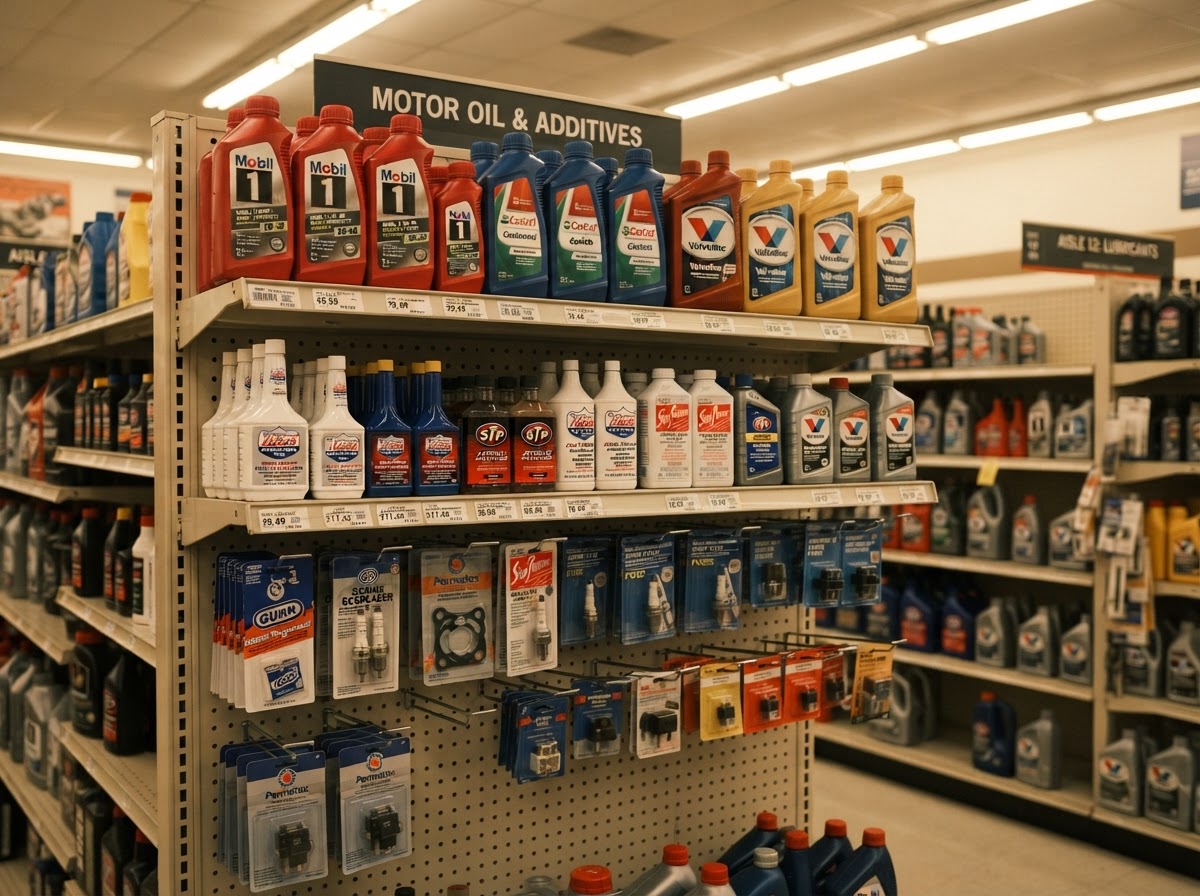
Your planogram works in a United States AutoZone and fails in a Colombian Olímpica.
03
Your OEM qualification cycle is eighteen months and your aftermarket team is measured on quarterly shelf placement.
04
Your distributor in-country is a black box. No visibility, no forecast, no accountability.
The automotive aftermarket is the parts, accessories, and service supply chain that keeps vehicles on the road after the factory sale. Auto parts distribution is the logistics and commercial layer that moves those products from manufacturers through distributors, retail stores, and OEM factory-fit programs. GLOWINT has operated in this category for decades, representing manufacturers into retail shelf and OEM programs across the Americas, Europe, and Asia-Pacific, as our Stanley Black and Decker case study documents.
The American automotive aftermarket is one of the largest fragmented markets in manufacturing. It runs through auto parts chains like AutoZone and Advance Auto Parts, mass retailers like Walmart, hardware stores, and club stores. Each channel requires a different sales motion, a different planogram, and a different pricing architecture. Most manufacturers run one motion and lose the others. We manage aftermarket distribution and category and planogram work as separate motions with separate evidence.
Automotive aftermarket parts distributors in Latin America operate differently than in the United States. Each country has its own import regime, its own distributor relationships, and its own retail structure. A planogram that works in a United States AutoZone does not transfer to a Colombian Olímpica without localization. GLOWINT holds the manufacturers rep agency relationships and the retail buyer introductions across 83 countries, the infrastructure that makes the distribution chain work across borders.
The engagement
What the work involves
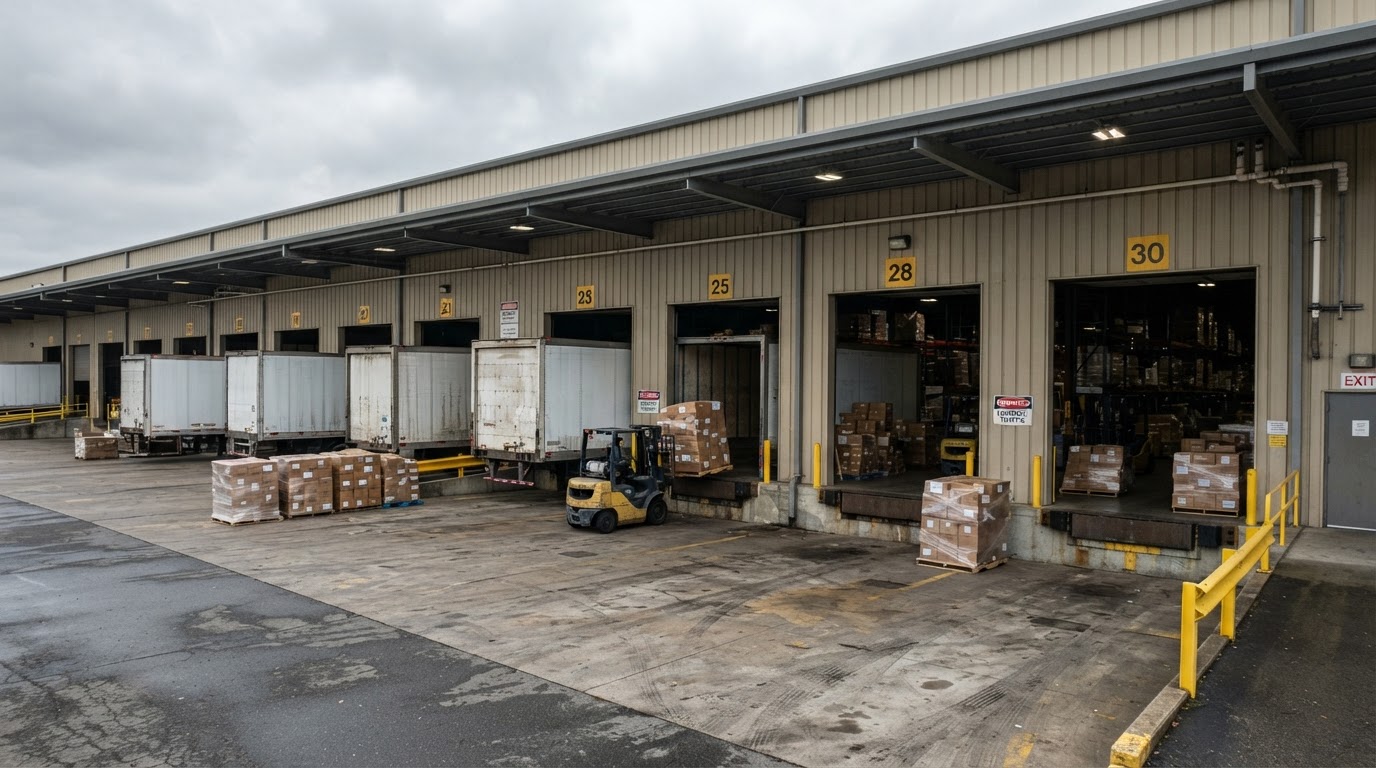
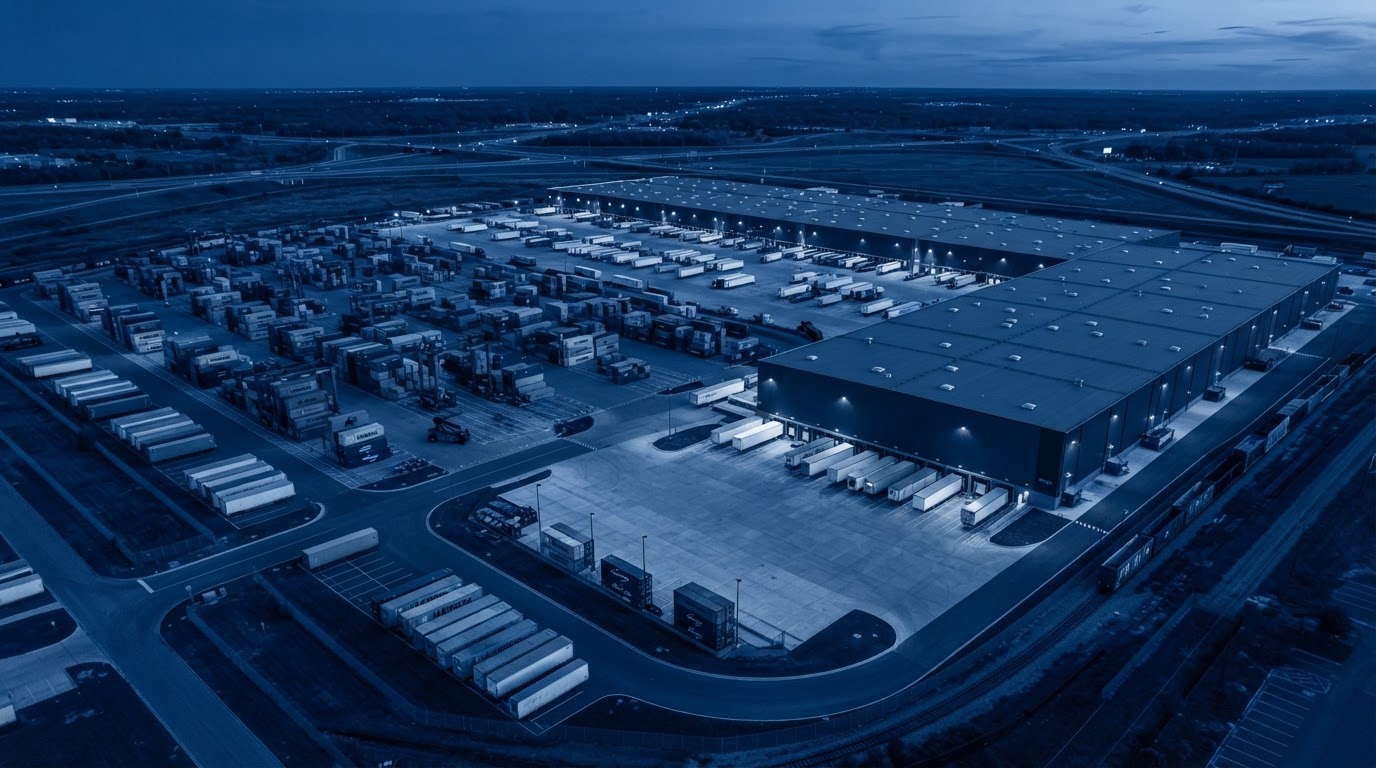
Auto parts distribution is the chain that gets a part from the manufacturer to the shelf a mechanic or driver buys from. Across borders it is hard because the distributor structure, the catalog standard and the retail buyer all change, and a brand that was a category leader at home arrives as a stranger. We hold the distributor and retailer relationships, run the planogram and the category advice, and train the people at the counter.
How the work runs
We begin by mapping the distributor structure for the target market, then arrange the line review, set the planogram, and train the distributor and retailer staff in the product, the category and the reason to recommend it. The listing follows the introduction, and the sell through follows the training. In steady state, parts reach shelf, the distributor is accountable to a forecast, and the brand is argued for at counters the client will never visit, by people who were trained to.
What changes when it is working
Parts reach shelf. The distributor is accountable to a forecast. And the brand is argued for at counters the client will never visit, by people who were trained to. The brand arrives as a known category player, not a stranger, because the introduction was already held.
FAQ
Questions before you sign
It is the chain that gets a part from the manufacturer to the shelf a mechanic or driver buys from. Across borders it is hard because the distributor structure, the catalog standard and the retail buyer all change, and a brand that was a category leader at home arrives as a stranger.
We hold the distributor and retailer relationships, run the planogram and the category advice, and train the people at the counter. The listing follows the introduction, and the sell through follows the training.
Aftermarket is a channel and shelf sale to the independent service and retail network. Factory fit is an engineering and qualification sale to the OEM. They have different buyers, cycles and evidence, and running one motion for both loses both.
Parts reach shelf. The distributor is accountable to a forecast. And the brand is argued for at counters the client will never visit, by people who were trained to.
A decision under uncertainty
A manufacturer was running one sales motion for both factory-fit and aftermarket. The OEM team was losing deals because the aftermarket evidence was weak. The aftermarket team was losing shelf because the OEM evidence was irrelevant to a retail buyer. The trade-off was between splitting the team, expensive, but correct, or continuing with one motion and losing both channels. GLOWINT chose the split. Different evidence, different timelines, different people. Both channels grew.
WHERE THIS GOES NEXT
Where this usually starts.
A two-week diagnostic, on site, with your internal and external stakeholders. You get a written view of where the constraint actually sits, what it would take to move it, and whether we are the right firm to help. If we are not, we will say so.
Start a conversation