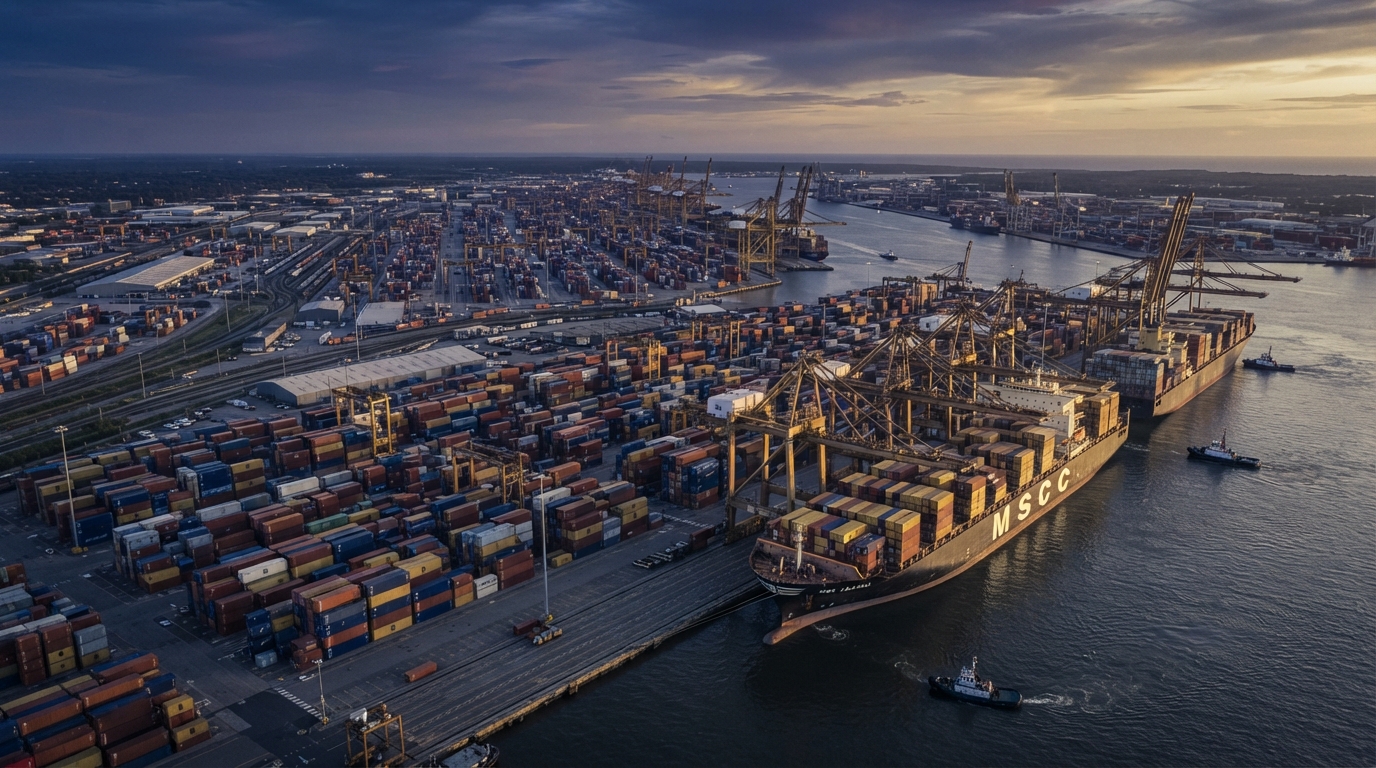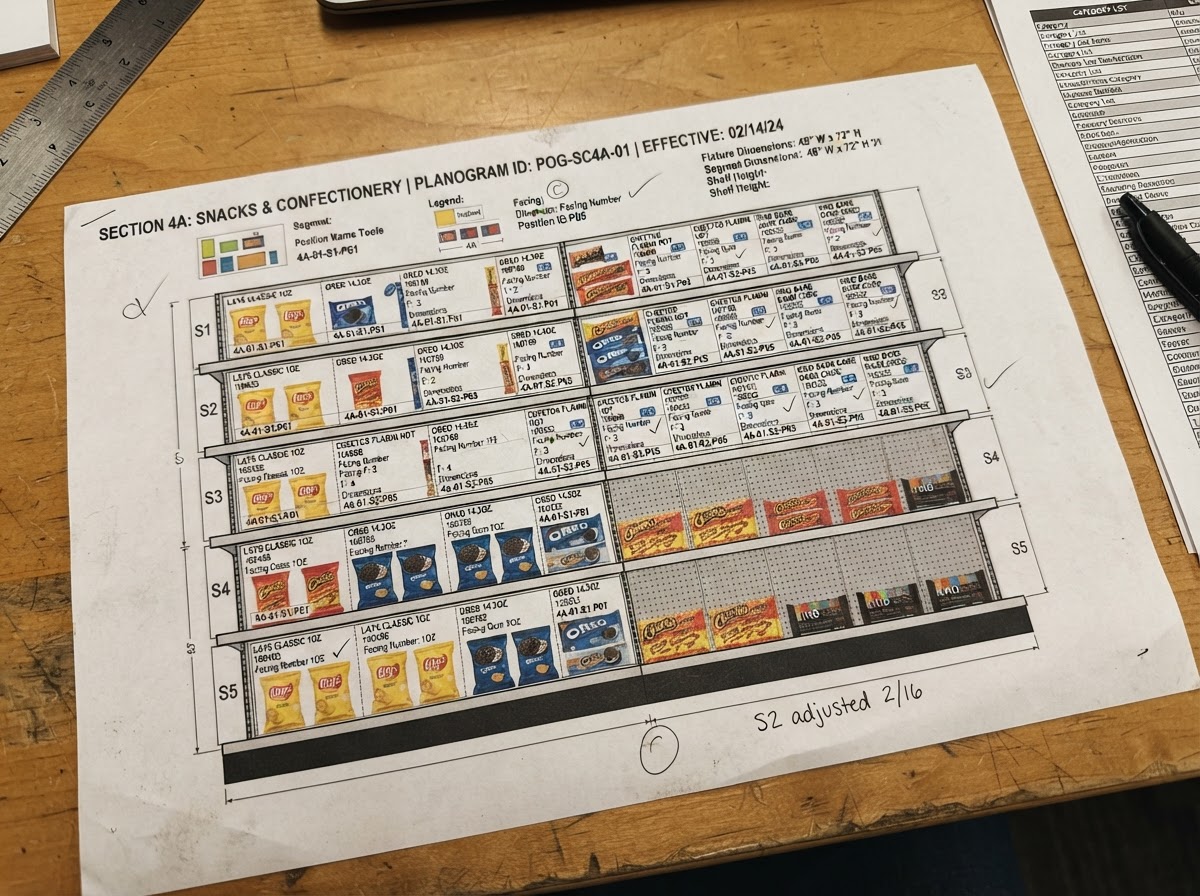
Industrial distribution is the physical and commercial supply chain that moves manufactured products from the point of production to the point of use. It is the layer between a factory and a buyer, whether that buyer is a retail consumer, a service workshop, an OEM assembly line, or another manufacturer. The structure is straightforward in outline and complex in practice. A manufacturer produces goods. A distributor buys those goods in volume, holds inventory, and sells them into a defined territory. A retailer puts those goods on a shelf and sells them to an end customer. An OEM specifies those goods into a product at the factory level. Each layer adds a commercial margin, a logistics cost, and a relationship. What makes industrial distribution difficult is not the flow of goods. It is the flow of information and accountability. A manufacturer in the United States selling through a distributor in Colombia needs to know: which stores carry the product, how fast it moves, what the competitor is doing on the same shelf, whether the distributor is representing the brand or just collecting orders, and what the regulatory environment requires for import, labelling, and certification. Most manufacturers cannot answer these questions from a desk. They need someone on the ground. That is where a firm like GLOWINT operates. We sit between the manufacturer and the distribution network, holding the relationships, the market intelligence, and the operational discipline that keeps product moving. We hold appointed distributor relationships across 83 countries. We know which distributor carries which line in which market. We know which retail buyers will take a meeting and which will not. And we report what we see, in a structured format, so the manufacturer can make decisions with evidence rather than assumption. Industrial distribution is not a technology category. It is not a software platform. It is the oldest problem in manufacturing, how to get a product from where it is made to where it is bought, and it remains the hardest one to solve at scale, across borders, across languages, and across regulatory regimes.
Operations & Sustainability
What industrial distribution actually is
Industrial distribution is not a technology category. It is the oldest problem in manufacturing.
Industrial distribution is the supply chain that moves manufactured products from the factory floor to the point of use, through warehouses, distributors, retail shelf, and OEM assembly lines.
WHERE THIS USUALLY STARTS
The situations we recognize on the first call.
01
You cannot answer which stores carry your product, how fast it moves, or what the competitor is doing on the same shelf.
02
Your distribution chain is a diagram, not a set of accountable relationships.
03
You are managing a multi-country supply chain from a desk with no one on the ground.
04
Your product reaches the distributor and stops. You do not know if it reaches the shelf.
For the practical application, see our distributor management practice, our work in auto parts distribution, and our manufacturer representation model.
A decision under uncertainty
A manufacturer in the United States could not answer which stores in Colombia carried its product, how fast it moved, or what the competitor was doing on the same shelf. The constraint was not strategy but visibility. The trade-off was between managing from a desk or putting someone on the ground. GLOWINT chose the ground. The reporting that followed turned a black box into a forecast.
WHERE THIS GOES NEXT
Where this usually starts.
A two-week diagnostic, on site, with your internal and external stakeholders. You get a written view of where the constraint actually sits, what it would take to move it, and whether we are the right firm to help. If we are not, we will say so.
Start a conversationFAQ
Questions before you sign
The physical and commercial supply chain that moves manufactured products from the point of production to the point of use, through warehouses, distributors, retail shelf and OEM assembly lines.
Not the flow of goods, but the flow of information and accountability. A manufacturer needs to know which stores carry the product, how fast it moves, and whether the distributor is representing the brand or just collecting orders. Most cannot answer that from a desk.
We sit between the manufacturer and the distribution network, holding appointed distributor relationships across 83 countries and reporting what we see in a structured format, so the manufacturer decides with evidence rather than assumption.
No. It is the oldest problem in manufacturing, how to get a product from where it is made to where it is bought, and it remains the hardest one to solve at scale across borders, languages and regulatory regimes.
Related capability
Operations & Sustainability