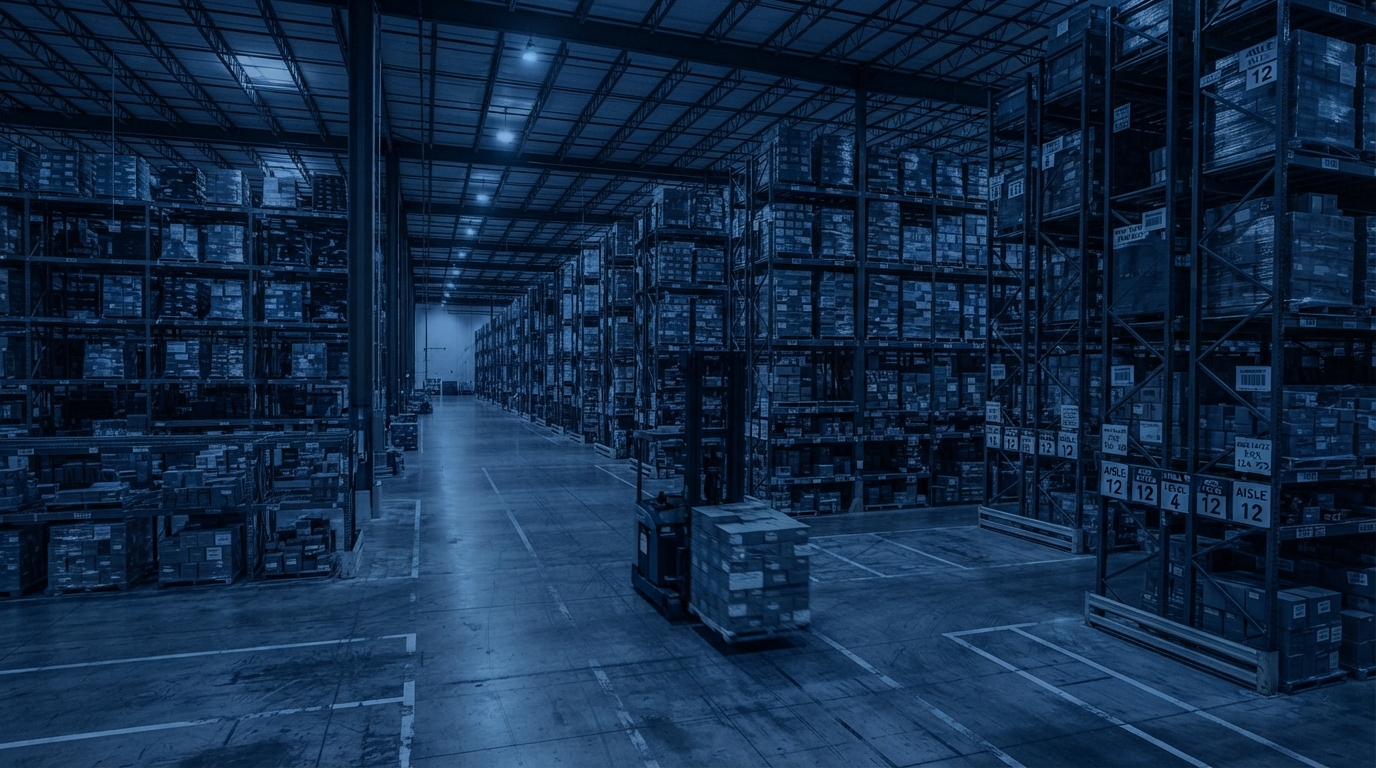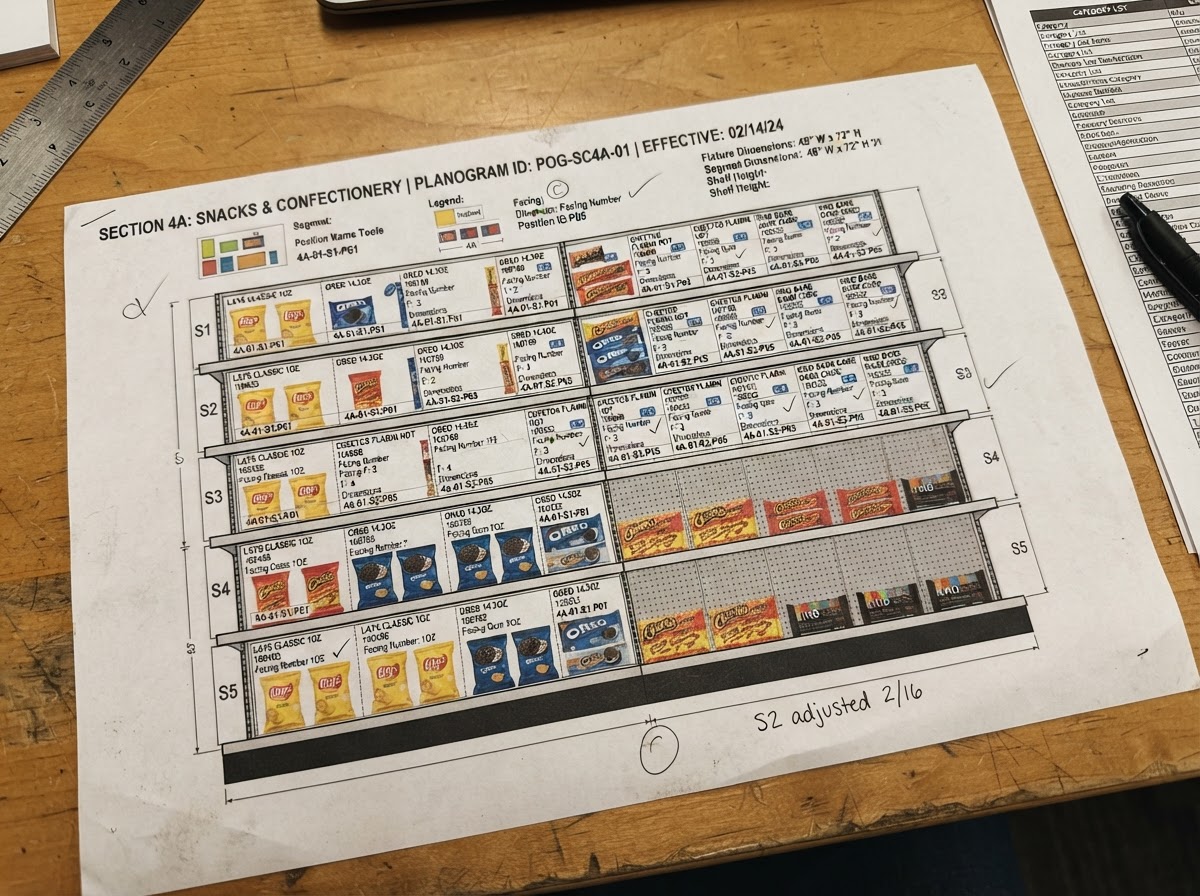
The automotive aftermarket is everything that happens to a vehicle after it leaves the factory. Parts, accessories, fluids, tools, and service, sold through retail stores, distributors, service workshops, and into OEM assembly lines. It is one of the largest fragmented markets in manufacturing, and it is where most of the margin in the automotive category actually lives, because a vehicle is sold once but serviced and repaired for fifteen years or more. To understand the aftermarket you have to separate two channels that look related but operate on completely different logic. The first is the independent aftermarket: the parts and products that reach a vehicle after the sale, through retail stores, distributors, and service workshops. The second is the OEM factory-fit channel: components specified into the vehicle at the assembly line, before the customer ever sees it. These are different sales, sold to different buyers, on different evidence, on different timelines. The independent aftermarket is a retail and distribution business. A manufacturer produces a part or a consumable, a tire repair sealant, a floor mat, a wiper blade, a battery. That product moves through a distributor, which holds inventory and sells into a defined territory, and then onto a retail shelf, where it is sold to a consumer or a trade customer. The buyer at the retailer, an AutoZone, a Halfords, a Walmart, an Olímpica, is a merchandising buyer. They care about the planogram, the facing count, the pricing architecture, the reorder cadence, and the margin. They want to know how the product will look on a four-foot section of shelf, how fast it will turn, and what the reorder cycle looks like. The sale is commercial and it moves on a quarterly or seasonal rhythm. The OEM factory-fit channel is an engineering business. The buyer is not a merchandiser; it is a purchasing engineer at a vehicle manufacturer, General Motors, Ford, Tesla, Honda, Porsche. They want test data, a quality management system, a documented supply agreement, and evidence that the part will perform to specification for the life of the program. The qualification cycle is long. It can run eighteen months or more from first contact to a line-side part, and the relationship, once won, runs for the life of the vehicle platform. The evidence a retail buyer wants is irrelevant here, and the evidence an OEM buyer wants is irrelevant at the parts counter. Most manufacturers treat these two channels as one motion. They are not, and the team that wins one will usually lose the other. A salesperson who can negotiate a planogram does not know how to run an engineering qualification, and an engineer who can hold a factory-fit program does not know how to hold shelf position through a planogram reset. GLOWINT runs both motions, but separately, with different people, different evidence, and different timelines. How parts reach shelf is the part most manufacturers underestimate. A product does not appear on a shelf because a distributor agreed to carry it. It appears because someone negotiated the planogram, trained the store staff to maintain it, set the reorder cycle, and managed the sell-through data over time. A shelf set takes months to build and years to hold. The planogram is renegotiated on a cycle, and a competitor is always trying to take the facing. The distributor relationship is only as good as the reporting behind it: which stores carry the product, how fast it moves, what the competitor is doing on the same shelf, and whether the distributor is representing the brand or just collecting orders. Distributor structures differ by market, and this is where cross-border expansion breaks down. In the United States, the aftermarket runs through large national retail chains and warehouse distributors with modern data systems. In the United Kingdom, it runs through specialists like Halfords alongside trade-oriented factors. In continental Europe, it runs through appointed national distributors, each holding a defined territory under contract, a structure that is efficient but opaque to a manufacturer sitting in another country. In Latin America, the structure fragments further. Each country has its own import regime, its own distributor relationships, its own retail landscape, and its own regulatory environment for labelling, packaging, and certification. What changes when a brand crosses a border is almost everything except the product. A planogram that works in a United States AutoZone does not transfer to a Colombian Olímpica without localization. Packaging changes to meet labelling law. Language changes. The pricing architecture changes because import duties, logistics costs, and distributor margins are different. The regulatory environment changes, a product that is compliant in one market may need homologation or reformulation in the next. The competitor set changes, because the brand that is dominant at home may be unknown in the new market, and the local incumbent may have a twenty-year relationship with the buyer. A manufacturer that tries to enter eight Latin American markets with one playbook will succeed in one and fail in seven. This is why distributor selection is the real decision in aftermarket expansion, not the strategy. The right distributor in the right market, under a contract with reporting obligations, is worth more than the best market-entry deck. The wrong distributor, one that takes the line and does nothing with it, locks the brand out of the market for years, because the retail buyer remembers the brand that was listed and never replenished. The distributor relationship has to be managed, audited, and held accountable through structured field reporting, or it decays into a black box. The aftermarket rewards patience and operational discipline, not speed and slides. The shelf set takes months to build and years to hold. The distributor relationship is only as good as the reporting behind it. The OEM program is only as strong as the engineering evidence. The work is unglamorous, store visits, planogram audits, trip reports, qualification documents, reorder cycles, and the returns compound over years rather than quarters. That is exactly the kind of work GLOWINT does, and it is why a network of contracted distributors and retail buyers across 83 countries is the asset, not the strategy that points at it.
Sales & Marketing
The automotive aftermarket, explained
The aftermarket rewards patience and operational discipline, not speed and slides.
The automotive aftermarket is the parts, accessories, and service supply chain that keeps vehicles on the road after the factory sale. It has two channels, independent aftermarket and OEM factory-fit, that most teams run as one motion, and lose both.
WHERE THIS USUALLY STARTS
The situations we recognize on the first call.
01
Your planogram works in a United States AutoZone and fails in a Colombian Olímpica.
02
Your team runs one sales motion for factory-fit and aftermarket and loses both.
03
Your distributor in-country is a black box. No visibility, no forecast, no accountability.
04
You tried to enter eight markets with one playbook and succeeded in one.
For the practical application, see our automotive aftermarket practice page and our auto parts distribution practice.
A decision under uncertainty
A manufacturer tried to enter eight Latin American markets with one playbook and succeeded in one. The constraint was that a planogram that works in a United States AutoZone does not transfer to a Colombian Olímpica without localization. The trade-off was between speed and localization. GLOWINT chose localization, packaging, labelling, language, pricing architecture, and regulatory compliance by market. The entry that respects the differences holds.
WHERE THIS GOES NEXT
Where this usually starts.
A two-week diagnostic, on site, with your internal and external stakeholders. You get a written view of where the constraint actually sits, what it would take to move it, and whether we are the right firm to help. If we are not, we will say so.
Start a conversationFAQ
Questions before you sign
Everything that happens to a vehicle after it leaves the factory: parts, accessories, fluids, tools and service, sold through retail stores, distributors, service workshops and into OEM assembly lines.
The independent aftermarket, reaching a vehicle after the sale through retail and distribution, and the OEM factory-fit channel, specified into the vehicle at the assembly line. They are different sales to different buyers on different evidence.
They run one motion for both. A salesperson who negotiates a planogram does not know how to run an engineering qualification, and an engineer who holds a factory-fit program does not know how to hold shelf position through a planogram reset.
Almost everything except the product. Packaging, language, pricing architecture, the regulatory environment and the competitor set all change. A manufacturer that enters eight Latin American markets with one playbook will succeed in one and fail in seven.
Related capability
Sales & Marketing